Spandhika
Medical-Grade Telemetry
Redesigning a clinical diagnostic environment for the next generation of biomechanical researchers.
Role
UI/UX Design Intern
Timeline
2024
Context
High-Fidelity Research
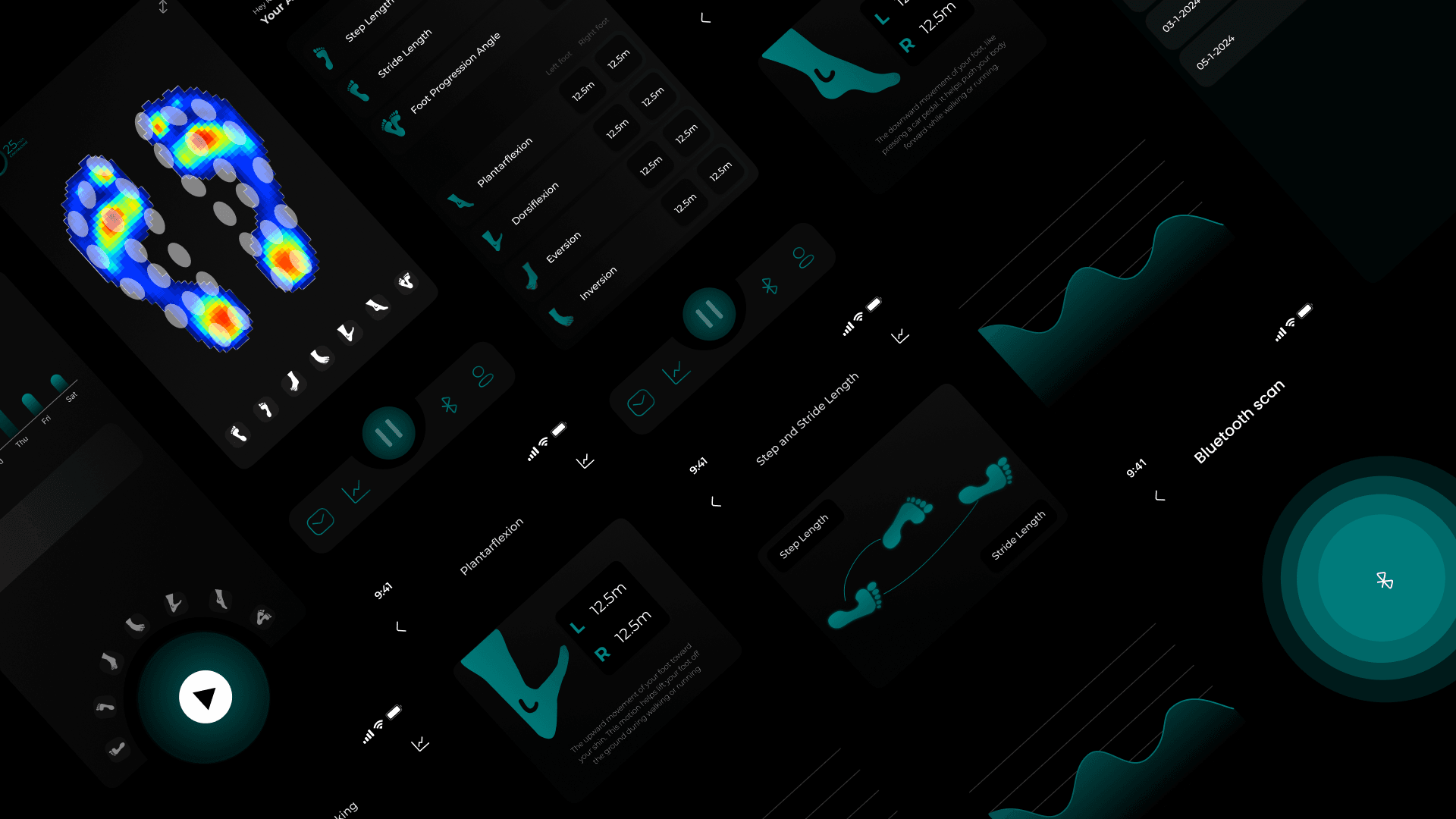
UI/UX Design Intern
Architecture & Clinical HUD Systems
Administrative Notice
This project is under a non-disclosure agreement (NDA). Detailed systemic logic and internal proprietary workflows have been omitted from this public archival.
Correcting the "Functional Obscurity" of legacy biomechanical telemetry.
The legacy application captured critical medical data, yet the utilitarian interface lacked hierarchical anchoring—rendering the science inaccessible. This case study documents the establishment of a "Medical HUD" system that prioritizes diagnostic clarity under high-stress clinical conditions.
The Systemic Debt.

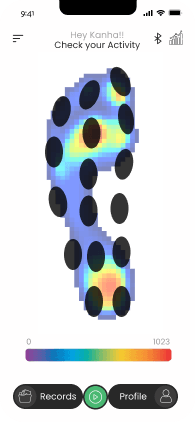
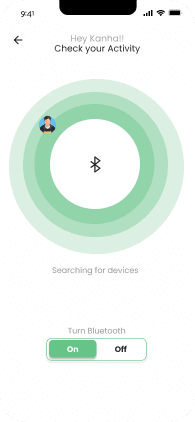
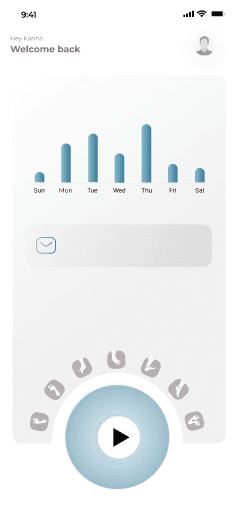
-old.png&w=3840&q=75)

Cognitive Clutter Dense data presentation without clinical hierarchy.
Static Telemetry Heatmaps lacked interactive diagnostic affordances.
User Friction Mission-critical pairing tools were buried within sub-menus.
Diagnostic
HUD Mode.
Establishing a unified, high-contrast system designed for instantaneous diagnostic interpretation across dual environmental protocols.
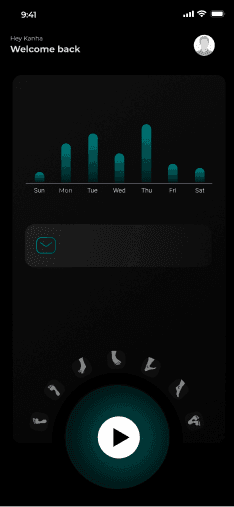
High-Intensity Dark Mode.
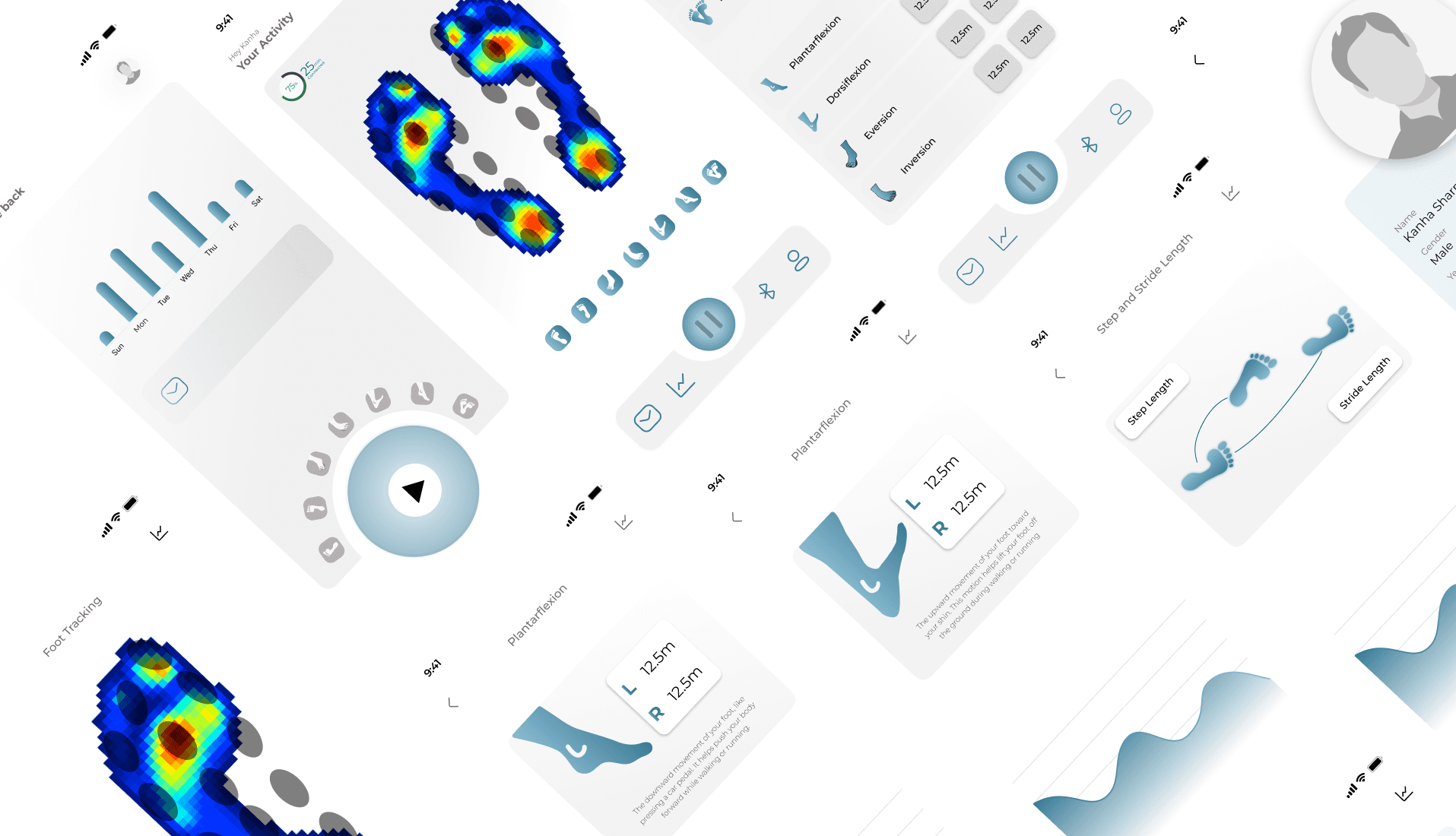
Clinical Daylight Mode.
Biometric
Telemetry.
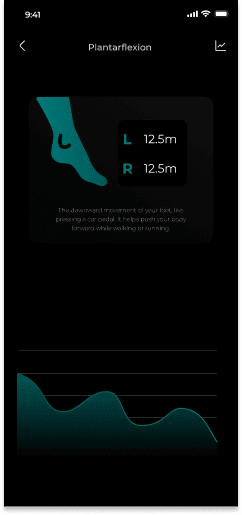
Plantarflexion
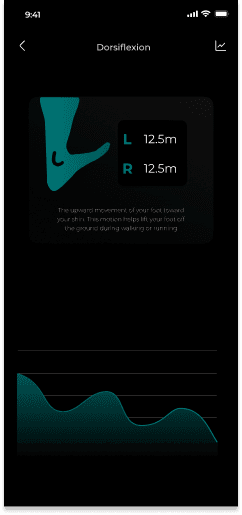
Dorsiflexion
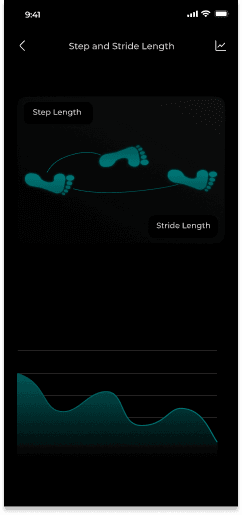
Gait Metrics
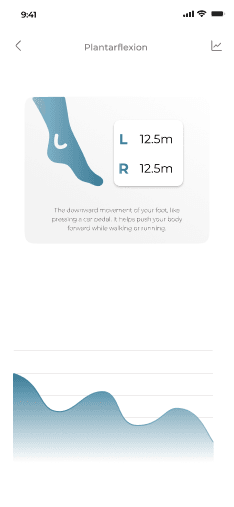
Light: Plantar
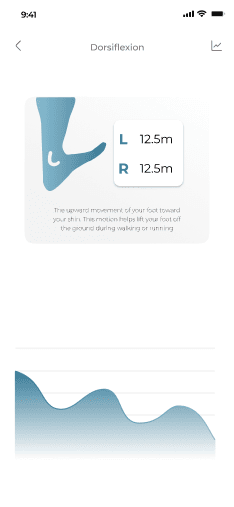
Light: Dorsi
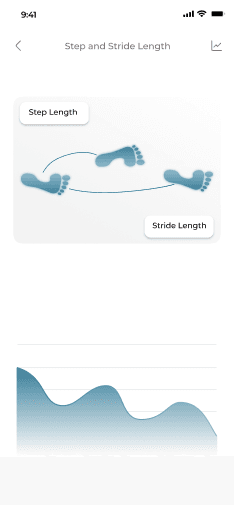
Light: Gait
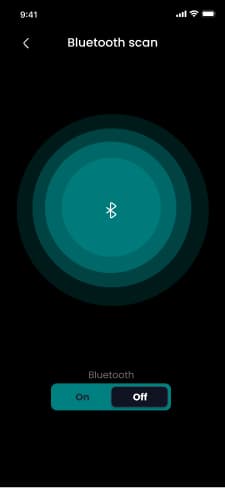
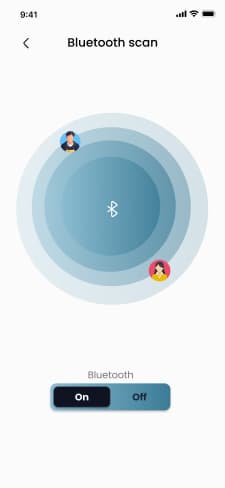
Tactical Feedback.
To guarantee clinical reliability, pairing processes were transformed into pneumatic, pulsing radar interfaces that immediately communicate sensor status to the practitioner.